The Benefits and Versatility of Exercise Cycle Bikes
In the realm of fitness, the exercise cycle bike stands apart as a flexible and reliable tool for maintaining and enhancing physical health. Whether utilized in a home gym, a commercial fitness center, or a rehab facility, the exercise cycle bike uses a vast array of benefits that deal with individuals of all fitness levels. This post looks into the different benefits of using an exercise cycle bike, explores various kinds of bikes, and supplies pointers for maximizing your workout experience.
Introduction to Exercise Cycle Bikes
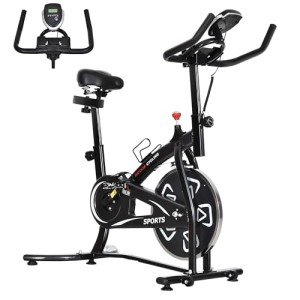
An exercise cycle bike, also referred to as a stationary bike, is a piece of fitness equipment created to replicate the experience of outdoor cycling. Unlike conventional bicycles, stationary bicycle are stationary, suggesting they remain in one place while the user pedals. This design makes them ideal for indoor use, supplying a practical and weather-independent way to stay active.
Advantages of Using an Exercise Cycle Bike
Low Impact Exercise
- Joint-Friendly: Exercise cycle bikes are especially helpful for people with joint pain or injuries, as they supply a low-impact workout that lessens tension on the knees, hips, and ankles.
- Accessible for All Ages: The low-impact nature of cycling makes it appropriate for individuals of all ages, from young people to seniors.
Cardiovascular Health
- Heart Health: Regular usage of a stationary bicycle can enhance cardiovascular health by reinforcing the heart and lungs, decreasing the risk of heart problem.
- Endurance and Stamina: Cycling can help develop endurance and endurance, making it much easier to carry out other exercises.
Weight Management
- Calorie Burning: Cycling is an exceptional calorie-burning activity, which can help in weight-loss and weight management.
- Metabolic Boost: Regular cycling can improve metabolism, assisting the body burn calories even after the workout is over.
Muscle Strengthening
- Lower Body Muscles: Cycling mostly targets the lower body muscles, including the quadriceps, hamstrings, glutes, and calves.
- Core Engagement: While cycling, the core muscles are engaged to maintain balance and stability, contributing to general core strength.
Mental Health
- Tension Reduction: Exercise, including cycling, releases endorphins, which are natural mood lifters that can minimize stress and anxiety.
- Improved Sleep: Regular physical activity can enhance sleep quality, resulting in better general wellness.
Types of Exercise Cycle Bikes
Upright Bikes
- Design: Upright bikes imitate the posture of standard bicycles, with a more upright seating position.
- Best For: Individuals who prefer a more standard cycling experience and those looking for a full-body workout.
Recumbent Bikes
- Style: Recumbent bikes feature a reclined seating position with a backrest, providing more assistance and convenience.
- Best For: Users with pain in the back or those who prefer a more relaxed cycling experience.
Spin Bikes
- Style: Spin bikes are created for high-intensity interval training (HIIT) and are frequently utilized in group fitness classes.
- Best For: Individuals trying to find a more intense workout and those thinking about group fitness classes.
Dual-Action Bikes
- Design: Dual-action bikes feature handlebars that move with the pedals, offering an upper body workout in addition to the lower body.
- Best For: Users seeking to target both upper and lower body muscles in a single workout.
Tips for Maximizing Your Workout
Set Clear Goals
- Uniqueness: Define clear, achievable objectives, whether it's reducing weight, building endurance, or enhancing cardiovascular health.
- Track Progress: Keep a workout log to track your development and remain motivated.
Warm-Up and Cool Down
- Warm-Up: Start with a 5-10 minute warm-up at a moderate rate to prepare your muscles and joints.
- Cool Down: Finish with a 5-10 minute cool-down to slowly decrease your heart rate and prevent muscle tightness.
Differ Your Workouts
- Intervals: Incorporate interval training by rotating between high-intensity and low-intensity cycling.
- Resistance: Adjust the resistance levels to challenge your muscles and enhance strength.
Stay Hydrated
- Water: Drink water before, during, and after your workout to remain hydrated and keep performance.
- Electrolytes: Consider replenishing electrolytes if you engage in longer or more intense workouts.
Listen to Your Body
- Discomfort vs. Discomfort: Differentiate in between normal pain and pain. If you experience discomfort, stop and speak with a healthcare expert.
- Rest: Allow your body sufficient rest and recovery time to prevent overtraining and injuries.
Frequently asked questions
Q: How often should I utilize an exercise cycle bike?
- A: Aim for at least 150 minutes of moderate-intensity cycling each week, or 75 minutes of vigorous-intensity cycling. Stationary Bikes Online can be broken down into 30-minute sessions, 5 times a week, or changed based on your fitness level and goals.
Q: Can I use an exercise cycle bike if I have knee issues?
- A: Yes, exercise cycle bikes are usually low-impact and can be an excellent choice for individuals with knee problems. However, it's important to start with a low resistance and slowly increase as your strength and convenience improve. Consult a health care specialist for personalized suggestions.
Q: What is the best type of exercise cycle bike for home usage?
- A: The best type of bike depends upon your individual preferences and fitness goals. Upright bikes are flexible and suitable for most users, while recumbent bikes offer more comfort and assistance. Spin bikes are perfect for high-intensity exercises, and dual-action bikes offer a full-body workout.
Q: Can I reduce weight using an exercise cycle bike?
- A: Yes, cycling can be a reliable method to lose weight. Combine regular cycling with a balanced diet plan and other types of exercise for the best results. Go for at least 30 minutes of moderate-intensity cycling most days of the week.
Q: How do I maintain my exercise cycle bike?
- A: Regular upkeep is essential to ensuring your bike performs well and lasts longer. Keep the bike clean, oil the chain (if suitable), and look for loose bolts or parts. Follow the producer's standards for specific upkeep suggestions.
Exercise cycle bikes use a versatile and efficient method to enhance physical health, whether you're a fitness lover or a novice. By comprehending the benefits, choosing the ideal type of bike, and following suggestions for optimizing your workout, you can accomplish your fitness objectives and enjoy a much healthier, more active lifestyle. Whether you're wanting to improve cardiovascular health, manage weight, or simply stay active, an exercise cycle bike is a valuable addition to any fitness routine.